Email:
sales@testmachines.com.au

Call Us:
0418 369 505
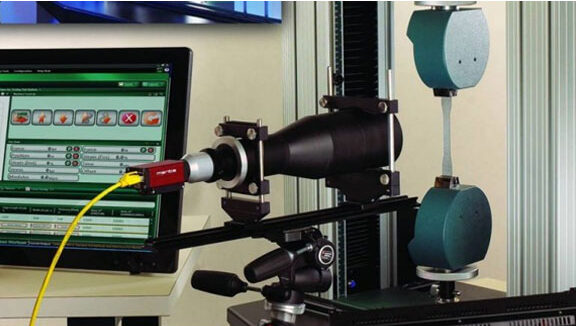
Installing a strain gauge may sound like a straightforward task to many, but ask an engineer how tedious achieving precision can be. One wrong move is enough to distort measurements and leave you with false data. The good news is that you don’t have to spend years perfecting the skills to get the process right. To make the process quicker and more efficient, you can simply adopt some tried-and-tested methods. Continue reading the blog to learn about the steps for achieving a perfect alignment, strong adhesion, and consistent results.
While it’s essential to understand the technicalities, being prepared from the start is half the job. In fact, fundamental factors like the materials, environment, and cleanliness also have a direct influence on how your strain gauge performs. Below, we have highlighted some essential strategies for an error-free setup so you get precise readings every time:
Preparation is key. Start the process by thoroughly cleaning the surface. Use fine-grit sandpaper or emery cloth to remove grease, rust, and paint. Use acetone or a recommended solvent to wipe away contaminants. You should remember that a smoother, cleaner, and polished surface increases adhesive contact, reduces air gaps, and improves signal transfer.
Even the tiniest misalignment can distort the strain readings. To eliminate the chances of these errors, you should define the exact placement area using a pencil or fine marker. You can also use an alignment tool, if available, to ensure the gauge is perfectly aligned. There’s no need to rush. Make sure you double-check the alignment before applying adhesive to save time on troubleshooting.
The adhesive stabilises the bond between the strain gauge and the test material. However, you should note that not all adhesives provide the same outcomes. For example, cyanoacrylates are well-suited for quicker setups, while epoxies are ideal for long-term applications. Before applying, check the curing time and environmental compatibility. Whether you choose an adhesive for instant setup or long-term application, the right one will enhance durability, improve data integrity, and reduce creep even under varying temperatures.
You cannot afford to mishandle strain gauges, as they are incredibly delicate. Use tweezers or a precision tool to handle them carefully. Strictly avoid using your bare fingers. Skin oils and static can affect the accuracy of the result. Additionally, you should store the strain gauges in a clean, static-free environment to prevent damage and ensure consistent strain transfer.
Don’t rush the curing process, as it can affect the outcome. Different adhesives have different curing times, and some may require controlled heat to gain full strength. Therefore, you should read the manufacturer’s instructions carefully. Maintain gentle pressure on the gauge during curing to ensure consistency and enhance bonding strength.
Once you have completed the installation, perform a quick continuity test using a multimeter to verify and check the accuracy of wiring and signal flow. Running trial tests will help you identify the weak bonds or open circuits. That way, you can resolve the issue and complete the gauge setup accurately for dependable results.
Strain gauge installation doesn’t only mean sticking the gauge to a surface and expecting it to work. The accuracy of the outcome will entirely depend on the bond between the strain gauge and the surface. That’s why you need high-quality strain gauges from Test Machines Australia to get unmatched accuracy, consistent outcomes, and flawless performance. Our solutions are backed by advanced technology and industry experts, allowing you to obtain precise measurements and reliable results across all applications. Contact us for more information.


Contact Test Machines Australia today, you may contact us via our Australia Wide contact number

Alternatively you can send us an email throughthe contact form below and a representative will respond in due time.

Get in touch by filling out the Contact Us form below
Get in touch by filling out the Contact Us form below