Email:
sales@testmachines.com.au

Call Us:
0418 369 505
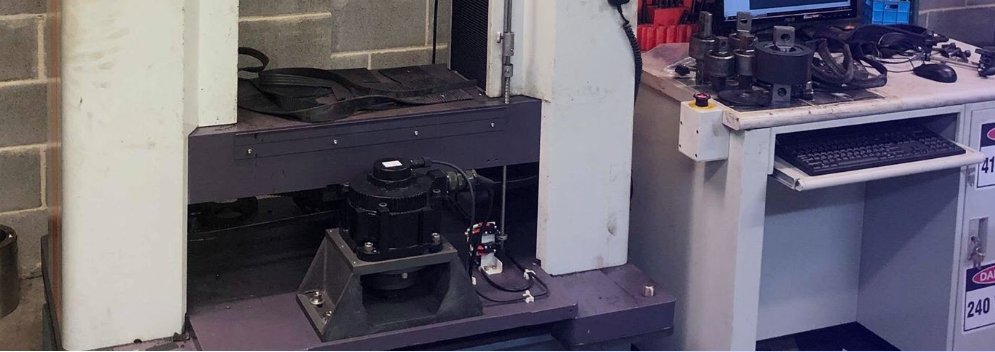
Strain measurement is imperative to mechanical testing as it validates a structure’s design, offers valuable data for element analysis, and enhances modelling calculation accuracy. Hence, it’s a foundational process for construction, and choosing the right instrument is vital.
Various tools are suitable for strain measurement, from electromechanical testers to extensometers. However, a strain gauge is often the go-to because it’s affordable, extremely accurate, and adaptable to various applications. If you’re already looking for strain gauges, here are the key factors to consider when selecting a suitable one.
Strain gauges come in various configurations for different structural layouts and force directions. Based on the strain direction, loading type, and the object’s surface, you can choose from the following variants:
The type of gauge you choose will also depend on the temperatures where you’ll use it. Here are the common types of gauges to consider, based on the testing temperature and conditions:
Another key consideration is the strain gauge’s length, which influences the spatial averaging and resolution during testing. Generally, you’ll need to pick between two lengths:
Strain gauges are generally available with electrical resistance values of 60 Ω, 120 Ω, 350 Ω, and 1,000 Ω, which affects power consumption, signal stability, and testing performance. Based on the resistance, there are two gauge options to choose from:
Changes in the testing temperatures often affect both the gauge and the test specimen. Ensuring measurement integrity is key to getting accurate readings, and for this, follow these tips:
Choosing the right welding or bonding method is critical for accurately mounting the gauge, and this will depend on the testing materials and applications. Here’s what you should follow:
Even after considering the above points, testing will remain inaccurate if you don’t choose the highest quality gauges. At Test Machines Australia, we specialise in offering the most reliable and high-precision strain gauges that consistently deliver precise test results. Plus, you can browse from our extensive range of adhesives and coatings designed for your desired gauges. Contact us to get started!


Contact Test Machines Australia today, you may contact us via our Australia Wide contact number

Alternatively you can send us an email throughthe contact form below and a representative will respond in due time.

Get in touch by filling out the Contact Us form below
Get in touch by filling out the Contact Us form below