Email:
sales@testmachines.com.au

Call Us:
0418 369 505

Tensile testing has long been a basic yet crucial mechanical test in materials science and engineering. It helps understand how materials behave under tension. It allows various people, like manufacturers and researchers, to understand the durability and strengths and identify potential weaknesses of plastics, composites, or other materials.
However, testing these materials is difficult because they require a proper scientific testing procedure to make the test reliable and comparable. That’s when people turn to tensile testing standards. Organisations like ISO have established these rules by giving a list of protocols for testing methods and data analysis.
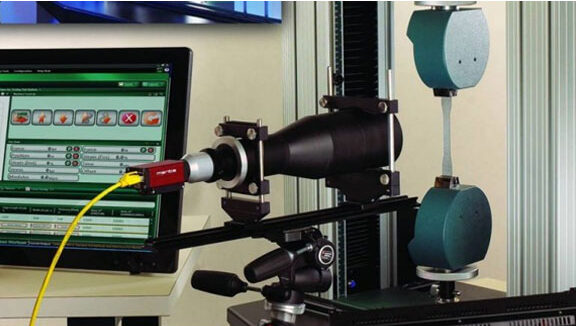
Tensile testing measures a material’s strength by stretching it until it breaks. In this way, people can understand how much strength the material can withstand and what the breaking point of these materials is. Using tensile testing standards, you can understand the needs of the material and how the material will behave under different circumstances. Tensile testing commonly helps gain knowledge about materials, such as their quality or material selection for research purposes. Aerospace, automotive, and many other industries must incorporate this testing to ensure they use the right materials. In this way, tensile testing can ensure that the materials used are safe and meet all expectations and regulations.
Tensile testing ensures that the research is reliable and consistent and could be valid across different domains. Tensile testing uses standardised methods, which means every material has to go through these methods to gain reliability and validity in research. Sometimes, results might vary depending upon specimen geometry or operator techniques, and this lack of consistency affects the performance, which is why it is impossible to certify materials for performance specifications. Standards are necessary because they guide the selection of materials to analyse the test and ensure that labs don’t make errors. This way, tests are valid and reliable across different facilities and geographic locations. Also, standardised tensile testing is an essential and legal requirement in many highly regulated areas like aerospace and construction. So, standardised testing helps make the materials and the products reliable and valid so that people can trust the final products.
Different tensile testing standards depend on materials, applications, or regions across industries. However, the most used test standards are ASTM in the U.S. and ISO for international applications. Some other standards can also be used and found in various industries.
ASTM standards are generally accepted across various countries and are especially developed for the U.S. Different standards apply for different materials, like ASTM E8/E8M for metallic materials. In contrast, ASTM D638 is for plastics. These standards are essential because they can specify the testing procedures and reporting requirements, which help create a reliable test and outcome. ASTM standards are perfect for the U.S.-based industries because they maintain the required standards and reliability, and the best thing about ASTM is that they can be used for quality control, certification, and compliance, too, particularly when it’s a government-led contract.
Every country cannot use U.S. standards; the International Organisation for Standardisation ensures that every country worldwide can use these testing standards. ISO standards apply in multinational testing, which helps them stay relevant and reliable. And even though ISO and ASTM are somewhat similar and follow similar standards, they have different terminology and equipment calibration methods. ISO standards are perfect when companies deal with other countries and export materials. Government and certification bodies often use them as part of quality management systems like ISO 9001.
Many other tensile tests can be found too, like JIS (Japanese Industrial Standards), DIN (Deutsches Institut für Normung), BS (British Standards), and a few others. JIS is generally used in Japan and neighbouring countries, while DIN and BS are for Europe. These testing standards are similar to ASTM and ISO but depend more on local standards, such as the regional needs of manufacturers and customers. That’s why, when working in a different country, complying with local standards would help integrate with partners and regulatory bodies, as it helps maintain the product quality and market requirements.
Choosing the proper tensile testing method is not very straightforward. Still, it’s not difficult because organisations must look for specific details, categorise them according to their needs, and get the appropriate standards. Some key factors help decide which test to use: material type, industry requirements, customer specifications, and geographic location.
Begin by categorising materials because standards are generally material-based, and decide which material to use—plastic, metal, composite, or anything else. Then, find out your industry’s regulatory or contractual obligations, like those of aerospace industries, which often rely on ASTM standards. Customer requirements and region specifications also play an essential role, so it’s better to understand them before applying tensile testing. Selecting the correct standard helps in terms of reliability, product credibility, and quality.
Tensile standards have many benefits, but they also have many challenges, and overcoming them becomes important for better-quality products and reliability. Variability in materials and environmental factors can lead to various difficulties and affect reliable testing.
Equipment calibration is essential to ensure accuracy in tensile testing, as such machines must receive proper maintenance. Outdated equipment or slight misalignment can cause considerable testing and product quality challenges.
It’s always essential to keep the machines up to date, check for wear and tear, and look for environmental factors like temperature and humidity. Certified technicians should do routine checkups to reduce the possibilities of wear and tear and improve consistency.
Well-trained operators are essential because they must follow standards with utmost detail, and even small mistakes can lead to invalid results. That’s why operators should be careful and thoroughly understand standard procedures to incorporate them while testing.
An operator should know and follow the basics: set up equipment, prepare samples correctly, and recognise when something’s wrong during the test. They must be attentive and aware of potential issues like equipment malfunctions or improper alignment. That’s why training is essential. Regular training helps operators better understand the standard procedures and equipment, which allows them to practice and become experts.
Sample variability impacts tensile testing the most and affects the quality and consistency of test results even after using standardised procedures. Sample preparation can be tough, but it has to be accurate for the desired results. Sample preparation includes accurate cutting, machining, and conditioning of specimens to match the dimensions and surface requirements specified by the relevant standard. If these samples are not consistent, they can lead to test failure and misleading results.
Test Machines Australia helps maintain test quality by meeting ASTM, ISO, and other global standards. It also helps ensure test precision and provides services that ensure calibration and expert support for various industries. Test Machines Australia also provides operator training and ensures that labs run smoothly and consistently.
Tensile testing ensures that the materials used are perfect for under-pressure situations. Professionals who follow the proper standards help maintain the test’s accuracy and reliability. Following the standards from ASTM, ISO, or any other global standards can be beneficial only when the test is consistent. Training operators is also essential. Even after abiding by a particular procedure, many challenges could arise because of factors like material selection or environment, which careful testing can overcome.


Contact Test Machines Australia today, you may contact us via our Australia Wide contact number

Alternatively you can send us an email throughthe contact form below and a representative will respond in due time.

Get in touch by filling out the Contact Us form below
Get in touch by filling out the Contact Us form below